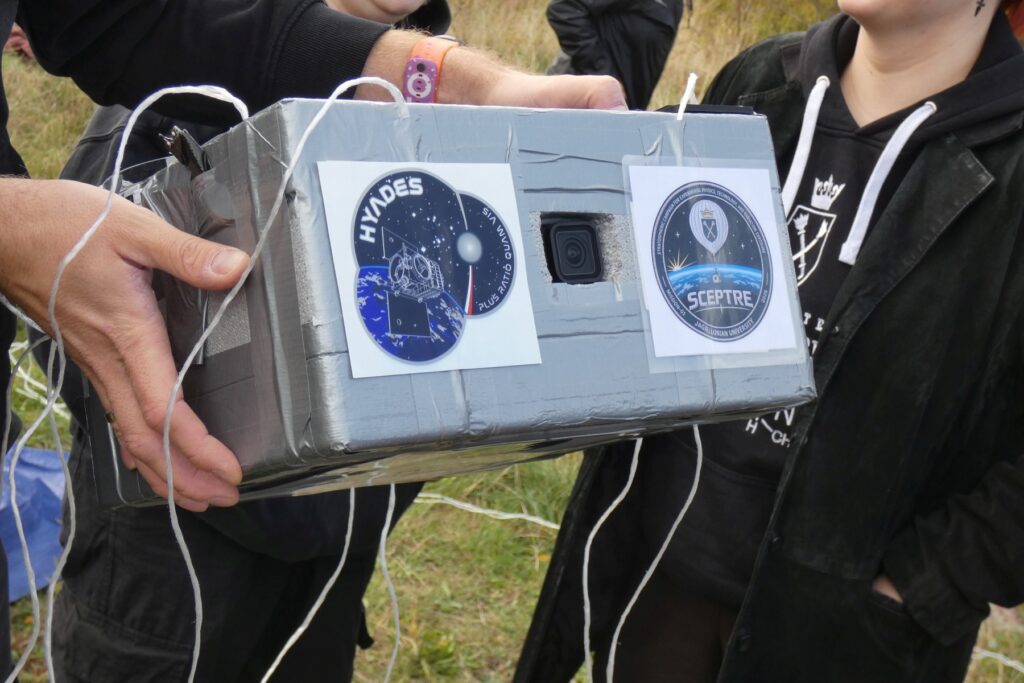
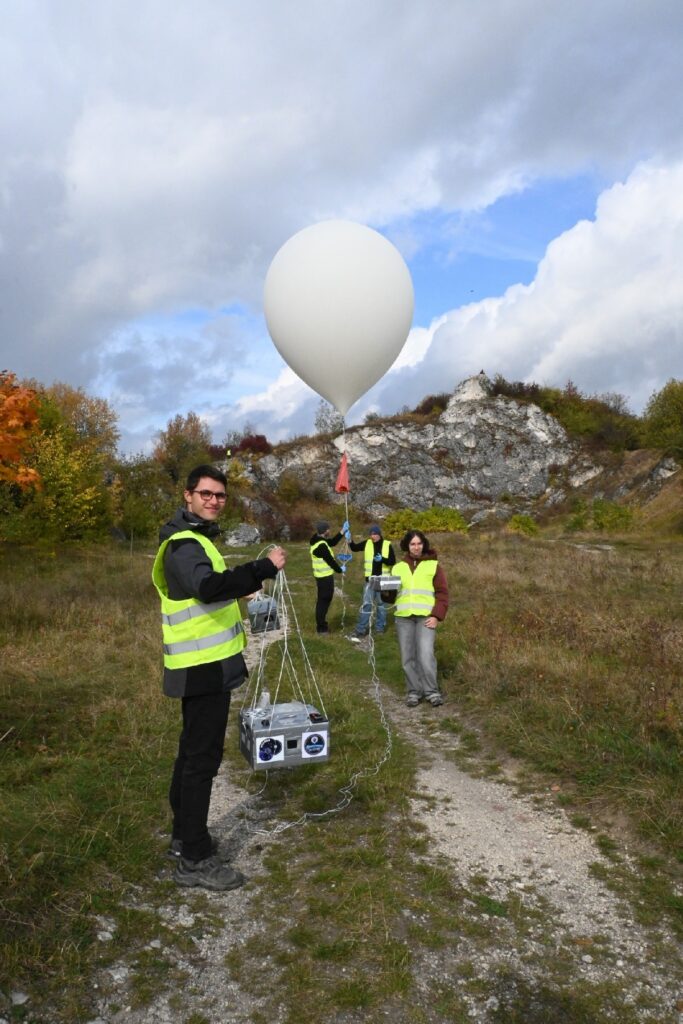
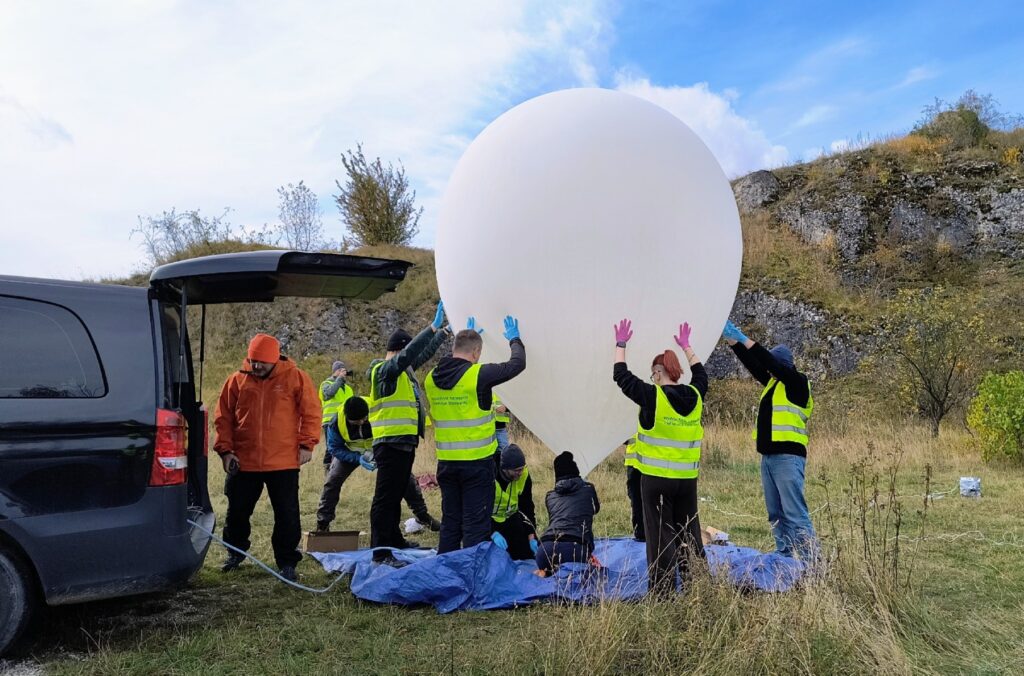
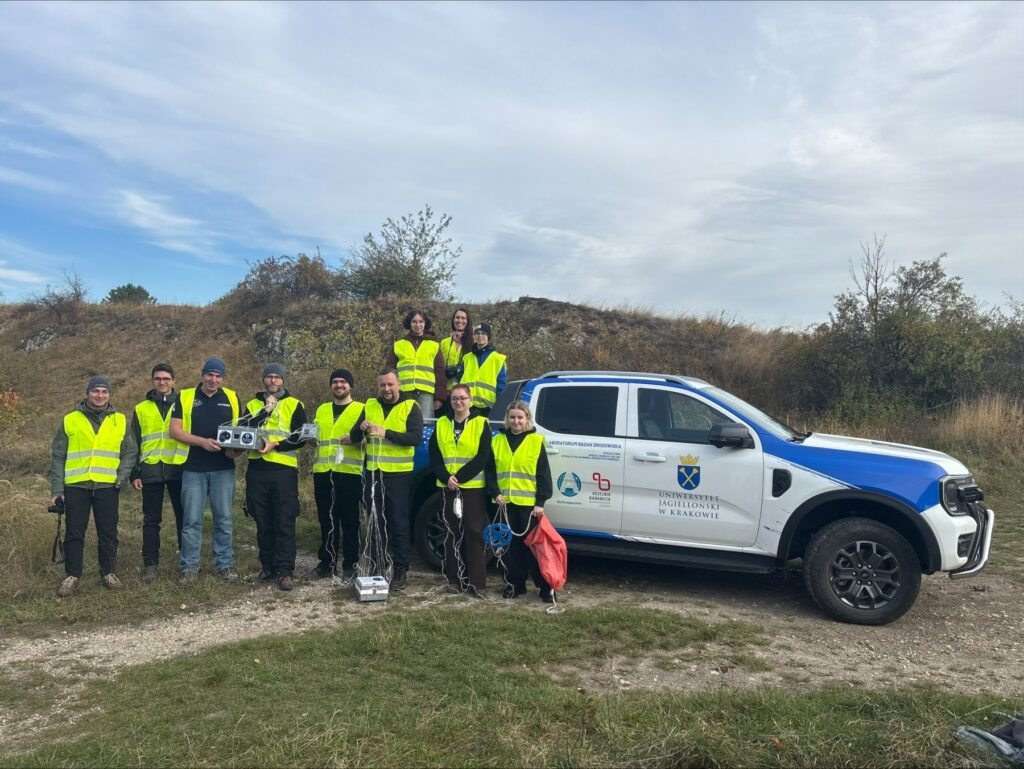
On October 11, 2026, we conducted a stratospheric experiment in which samples of materials used in the HYADES space mission were carried to an altitude of nearly 35 km. The experiment was organized by researchers and PhD students from the Faculty of Physics, Astronomy and Applied Computer Science at Jagiellonian University, in collaboration with AATC, a company conducting high-altitude balloon missions as part of its StratOS programme.
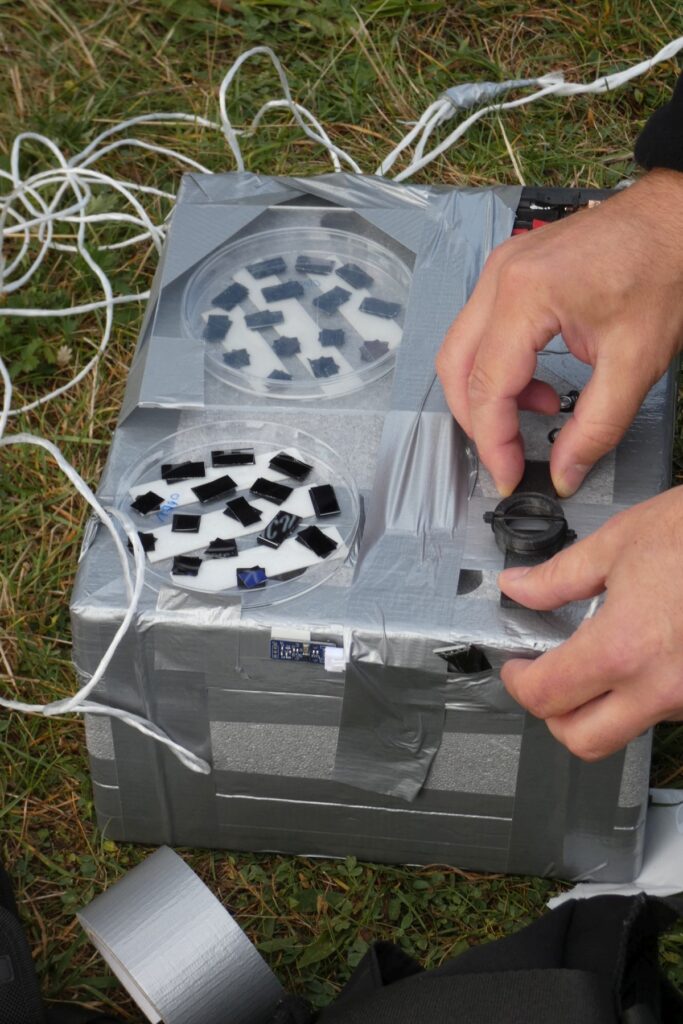
The main objective of the HYADES team’s experiment was to investigate the effects of stratospheric conditions on the surfaces of magnesium fluoride (MgF₂) crystals. This material is used to manufacture optical windows for our space telescope. Since the instrument operates in the far-ultraviolet spectral range, the quality and condition of these optical surfaces are particularly important. The payload also carried samples for other surface studies and devices for sensor testing.
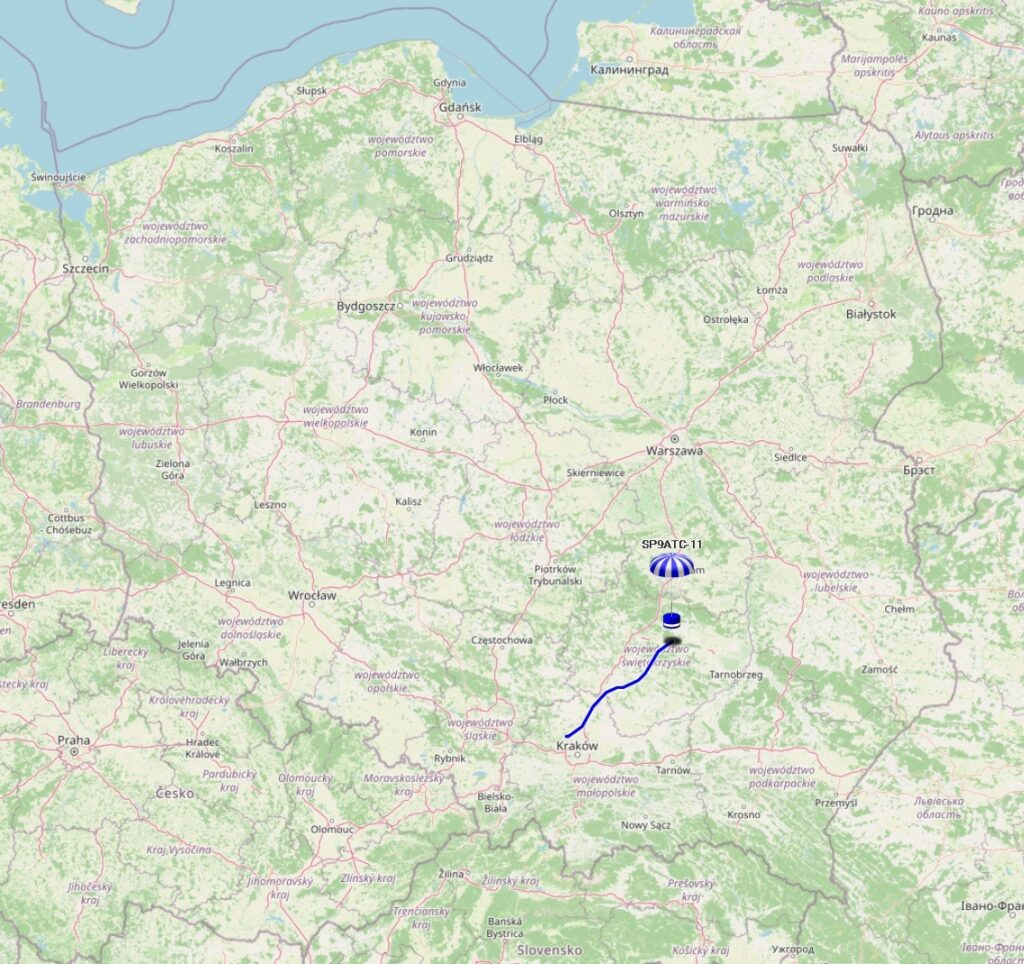
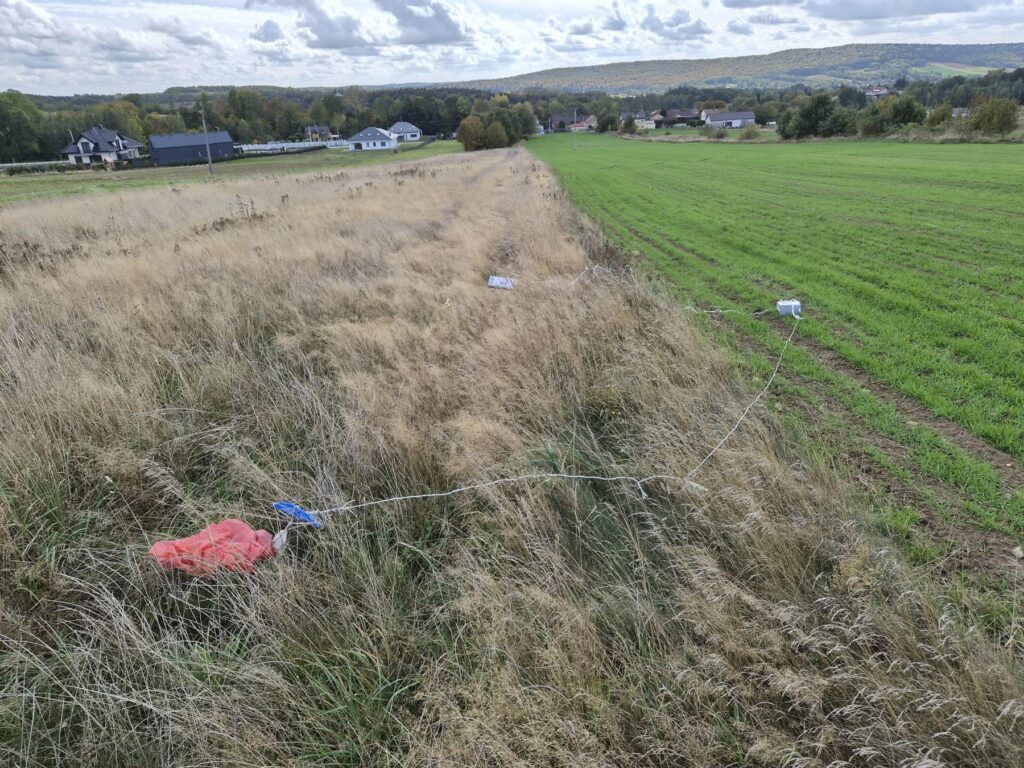
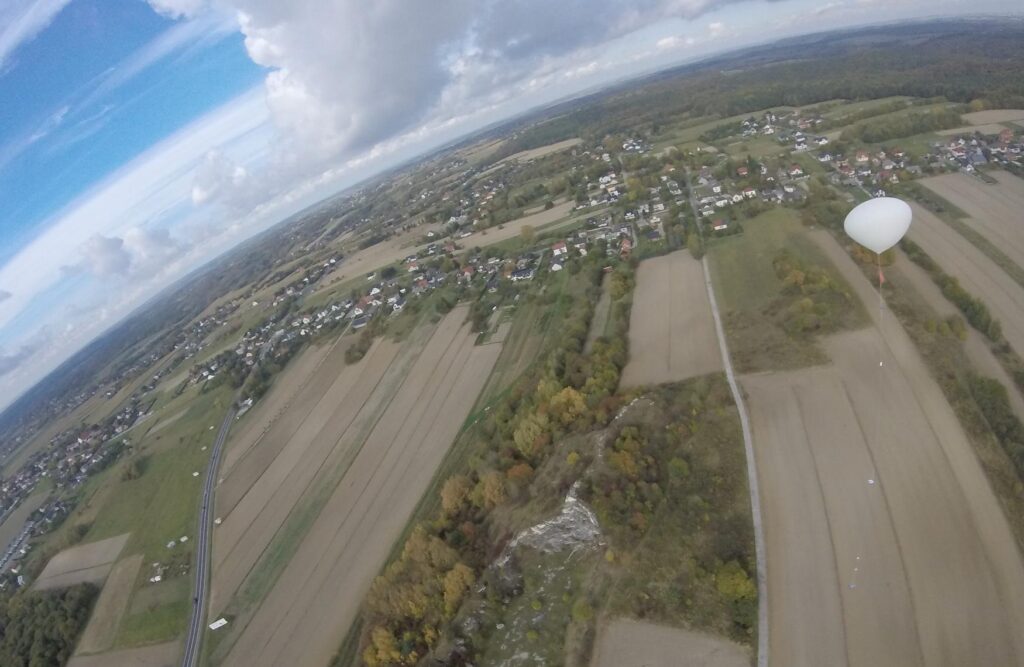
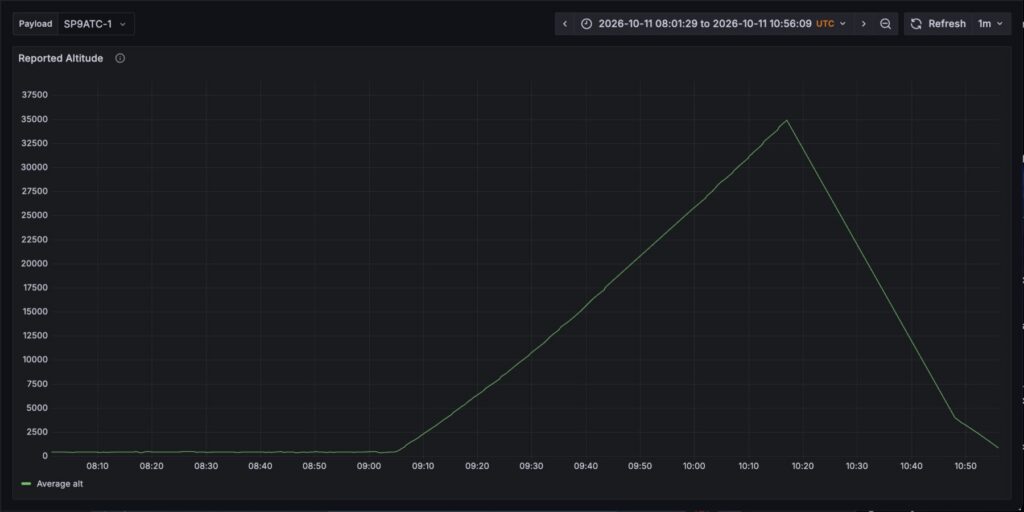
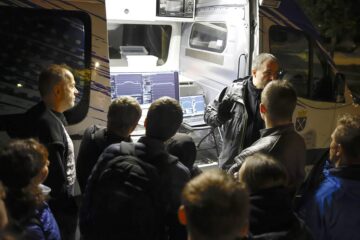
The balloon was launched from the Wapiennik quarry near Kraków. After approximately 73 minutes of ascent, it reached an altitude of 34938 m, where the balloon burst. The payload descended by parachute and landed in the Świętokrzyskie Mountains region. Thanks to radio tracking, it was recovered just 16 minutes after landing, and the samples were returned to the laboratory for detailed analysis.
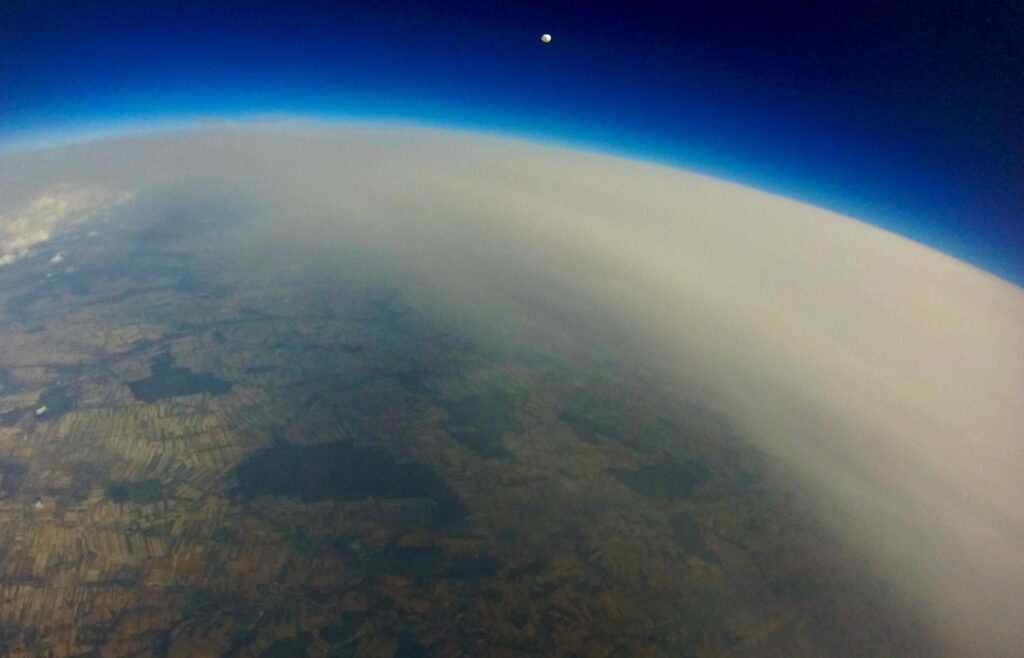
At the same time, a team from AGH University of Krakow also launched its own stratospheric balloon carrying a scientific payload
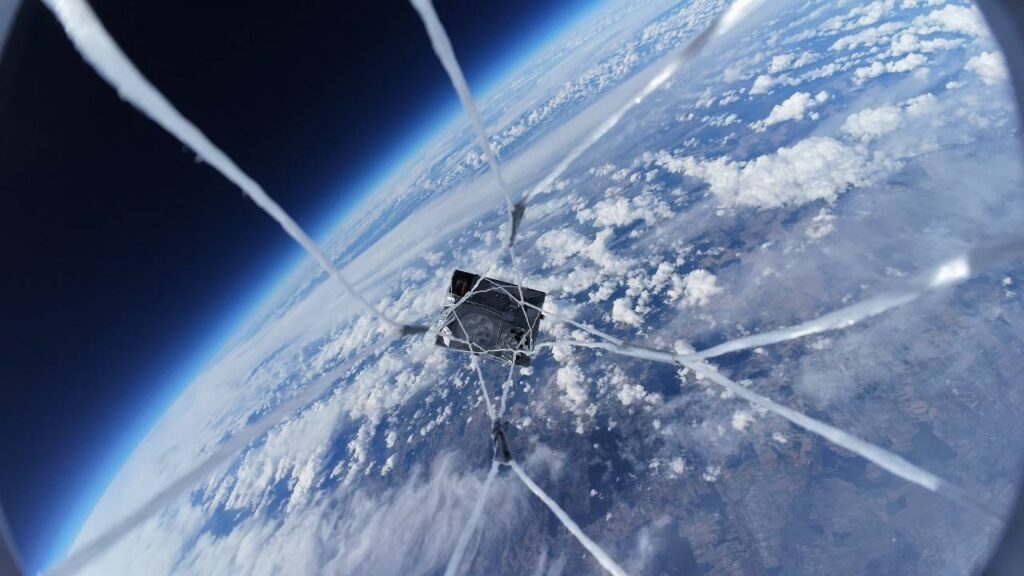
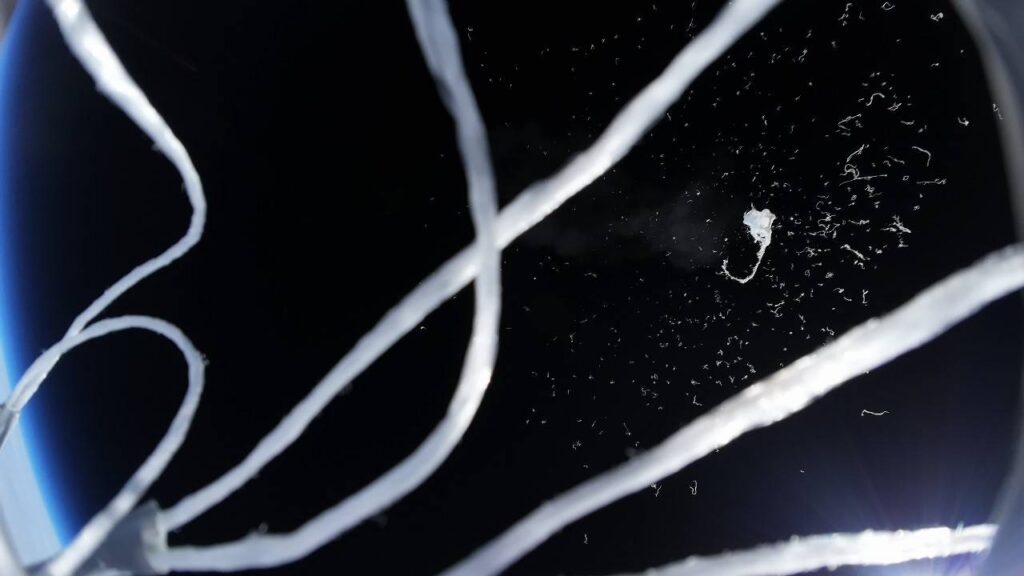
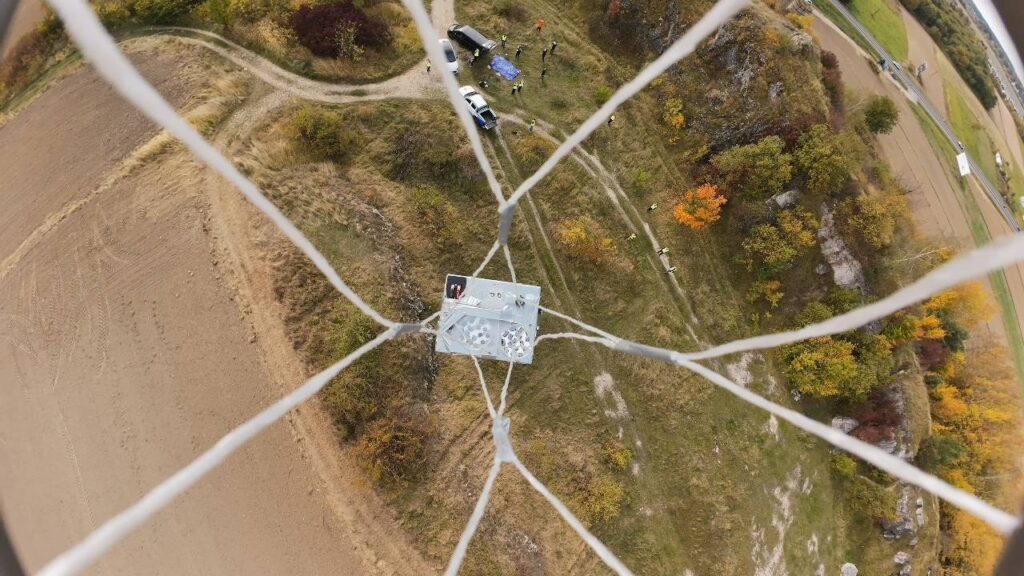
This provided us with a unique opportunity to obtain photographs of our payload in flight, taken from the second balloon. Meanwhile, cameras aboard our payload captured spectacular views of the Earth and its atmosphere from stratospheric altitudes as well as the moment the balloon burst.
The experiment represents another step in preparing optical materials and components for operation under the conditions of the HYADES space mission.